






The best place to shoot a whitetail deer is the heart and lung area just behind the front shoulder.
On a broadside or quartering-away deer, aim for the lower third of the chest, in line with or slightly behind the front leg. This target zone applies whether you’re shooting a compound bow, rifle, or muzzleloader, and it gives you the widest margin of error and the quickest, most humane harvest possible.
Your shot angle is essential. A few inches in the wrong direction can mean the difference between a short blood trail and a long, sleepless night of tracking. Over my decades of bowhunting and coaching at Nock On Archery, I’ve taught thousands of hunters how to read a deer’s body, pick the right moment, and place their shot exactly where it needs to go.
Here’s what you need to know about where to shoot a whitetail deer, no matter what weapon you carry into the woods.
Understand Whitetail Deer Anatomy Before You Shoot
Knowing where the vital organs sit inside a whitetail deer’s chest is the first step to making a clean shot. You can’t hit what you can’t picture.
A deer’s heart sits low and forward in the chest cavity, roughly in line with the center of the front leg. It tilts at about a 45-degree angle and measures roughly the size of your fist. The lungs sit just behind the heart and fill most of the chest cavity between the front shoulders, making them a much larger target.
The front shoulder doesn’t contain as much bone as it looks like it does. The scapula angles forward toward the neck, and the humerus angles back toward the elbow. That leaves a gap of unobstructed soft tissue directly above the leg, giving you the clearest path to the heart and lungs.
The liver sits further back, tucked behind the diaphragm between the lungs and stomach. A liver hit is lethal, but it takes much longer for the deer to expire, often two hours or more. If you’re aiming for the vitals and you hit the liver, you’ve drifted too far back.
Smaller deer have smaller vitals. A young doe’s heart and lungs can be half the size of a mature buck’s, making your margin for error shrink fast. Keep that in mind when you set your sights.
Where to Shoot a Whitetail Deer: The “Golden Triangle”
So where exactly do you shoot a whitetail deer? I call it the “Golden Triangle.” Picture a triangle on the deer’s chest formed by three points:
- The tip of the elbow (bottom point)
- The scapula angling forward toward the chest (front point)
- The scapula angling back about halfway up (top point)
Place your arrow anywhere inside that triangle, broadside or quartering, and you have an extremely high chance of a double-lung hit and a short blood trail.
My favorite practice method is the “tennis ball test.” Push an arrow through the center of a tennis ball and place it on your 3D target. Pivot the ball to simulate different shot angles. It shows you exactly where your arrow needs to enter to center-punch the vitals at any presentation.
This is an exercise I did with my wife and kids when they were getting started. I’d set up a 3D target in the yard, put them in a ground blind or ladder stand, and give them a little pointer. Then I’d rotate the target: “Okay, broadside. Where do you aim? Quartering? Aim a bit further back.”
Use the Front Leg Split as Your Aiming Guide
When you’re trying to figure out where to shoot a whitetail deer, another quick, reliable aid is the whitetail’s front legs themselves.
Picture a straight line drawn right between the deer’s front shoulders. That’s the center of the vital zone. On a broadside shot, aim just above that midpoint and send it.
As the angle turns quartering-away, favor the back edge of that far leg. Bring your pin up through the “V” split of the legs until you hit the lower third of the chest.
This “aim low” approach to shooting a whitetail deer has a built-in safety net. Missing a few inches low still puts you in the heart. Miss a few inches high, and you’re still in both lungs. That forgiveness matters when buck fever kicks in (and it will).

Where to Shoot a Whitetail Deer: How Shot Placement Changes by Weapon
A whitetail deer’s vital zone stays the same no matter what you’re holding, but how you get there changes depending on your weapon. Each one has different strengths and limitations that affect where to shoot a whitetail deer.
Compound Bow and Crossbow
Broadheads cause hemorrhaging rather than the blunt-force trauma of a bullet, so clean penetration through soft tissue is critical. Avoid the shoulder bones. Stick to broadside and quartering-away angles, aiming for the lower third of the chest behind the front leg.
The Golden Triangle method works perfectly here. Crossbow hunters, keep in mind that bolts carry more kinetic energy, but still can’t reliably punch through heavy bone the way a rifle round can.
Rifle
A well-placed bullet delivers hydrostatic shock that disrupts tissue next to the wound channel. This gives rifle hunters more flexibility, and the shoulder is far less of an obstacle. You can aim directly in line with the front leg at the midpoint between the belly and back.
A good expanding bullet will break through any bone in its path to reach the vitals. Quartering-to shots also become a realistic option with a rifle, though broadside is still your best bet.
Muzzleloader
Modern inline muzzleloaders with saboted bullets perform closer to a centerfire rifle than most hunters expect.
Treat your shot placement the same as you would with a rifle, with one important caveat: you get one shot. There’s no quick follow-up. That makes shot selection and patience even more important.
Wait for a broadside opportunity and put that single projectile where it counts.
Adjusting Your Aim From a Treestand or Elevated Position
Shot angles change from an elevated position. If you hunt from a treestand or elevated blind, you need to adjust your point of aim higher on the deer’s body.
From above, the arrow or bullet travels down. If you aim at the same spot you’d pick from ground level, you risk catching only one lung or exiting below the far-side vitals.
Aim for the vertical midpoint of the deer’s body and think about where your projectile will exit on the opposite side. Your entry point and your exit point both need to pass through the vitals.
The steeper the angle, the higher you need to hold. If a deer is standing directly under your stand, let it walk out a few paces and present a better angle. A straight-down shot makes hitting both lungs nearly impossible.
Where Not to Shoot a Whitetail Deer
Even experienced whitetail deer hunters make errors that cost them clean harvests. Here are the most common shot placement mistakes I’ve seen in the field.
Aiming too far back. Many hunters learned to aim “behind the shoulder,” but aiming several inches behind the front leg puts you dangerously close to the liver or gut. A paunch-hit deer can travel for miles, and you may never recover it. Keep your aim tight to the front leg.
Shooting at bad angles. Frontal shots with a bow force the arrow through several feet of muscle and bone before it can reach the vitals. Head and neck shots leave almost zero margin for error. Texas heart shots (straight from behind) rarely reach the vital organs cleanly.
Wait for broadside or quartering-away. Those are your bread-and-butter presentations.
Misjudging distance. An arrow that drops two inches at 30 yards might drop six or more at 40. If you haven’t verified your range and practiced at that distance, you’re gambling. Use a rangefinder and know your holdover at every realistic yardage.
Ignoring string jump. Whitetails react instinctively to sound. At distances further than 20 yards, deer can drop several inches before your arrow ever hits. Aiming slightly low on the chest gives you a buffer for this reaction. Rifle hunters face this less, but it still happens at longer ranges.
Rushing the shot. Buck fever is real. Your heart rate spikes, your hands shake, and you force a shot at a bad angle because you’re afraid the opportunity will disappear. The best hunters I know let deer walk when the shot isn’t right.
Where to Shoot a Whitetail Deer Ethically: Shot Selection and Knowing Your Range
As bowhunters, we have to be honest about our effective range. I’m a big advocate of getting to full draw early and taking only chip shots, especially if you shoot a lighter poundage.
When my wife and son were first learning, we spent a lot of time on this. They both shoot around 40 pounds, about half my draw weight. So we limited them to 30 yards max, and I stressed the importance of waiting for that perfect broadside or quartering shot.
Did it mean they ate a few tags? Sure. But when they did connect, we got easy recoveries and quick, clean harvests, because the shot was in the breadbasket every time.
To me, that’s a successful hunt.
Ask yourself these questions before you release or squeeze:
- Do I have a clear lane to the vitals?
- Is the deer calm or alert?
- Can I see exactly where my pin or crosshair is sitting?
- Could a person or object behind the deer create a safety issue?
If the answer to any of those is uncertain, let the deer walk. There will always be another opportunity.
What to Do After the Shot
The moment after the shot matters almost as much as the shot itself. What you do in the next 30 minutes can determine whether you recover your whitetail deer or lose it.
Watch the deer’s reaction. A lung-shot deer will often hunch up, kick its back legs, and sprint with its body low to the ground. A heart-shot deer may bolt and cover 50–100 yards before going down. A gut-shot deer will typically hunch and walk away slowly, often with its tail tucked.
Decide on a follow-up shot. If the deer stays on its feet and you have a safe, clear look at the vitals, rifle hunters always benefit from taking a second shot.
A well-placed follow-up round through the lungs will take down a deer fast. A bow or muzzleloader hunter can take a second shot if they get a chance to reload, but a second shot isn’t worthwhile unless the deer presents a clear broadside or quartering angle.
Sending a shot at a moving target usually makes the situation worse, and a bad follow-up creates a second wound channel that complicates recovery and wastes meat.
Mark the spot. Note exactly where the deer was standing when you shot, and the last place you saw it before it disappeared. Use a landmark, a pin on your phone, or a piece of flagging tape.
Wait before tracking. For a confident lung or heart shot, wait at least 30 minutes before climbing down and following the trail. For a likely liver hit (dark, maroon-colored blood), wait three to four hours.
For a gut shot (greenish tint, foul smell), wait at least eight to 12 hours, ideally overnight if temperatures allow. Pushing a wounded deer too early almost always results in a longer, harder recovery.
Read the blood trail. Bright, pinkish blood with bubbles usually signals a lung hit, and that’s a good sign. Dark red blood suggests a liver hit. Sparse or watery blood can mean a muscle wound. The blood’s color and consistency tell you how long to wait and how aggressively to track.
Where to Shoot a Whitetail Deer: How Shot Placement Affects Field Dressing and Processing
Where your shot lands doesn’t just determine how quickly the deer goes down. It influences how clean and efficient your field dressing will be.
A well-placed double-lung shot means minimal damage to the gut cavity. You’ll open the deer up to find clean organs, intact intestines, and little contamination in the surrounding meat. The process is fast, straightforward, and preserves the most usable protein.
A gut shot is the opposite. A ruptured stomach or intestines releases digestive acids and bacteria across the meat. Even if you recover the deer, you’ll spend extra time trimming contaminated tissue, and you’ll lose more of the harvest. That’s another reason to aim forward toward the lungs rather than drifting back.
Shoulder hits with a rifle can shatter bone and destroy a lot of front-quarter meat. Bowhunters who slip an arrow through the ribs and into the lungs lose almost no usable meat at all, which is one of the real advantages of precise arrow placement.
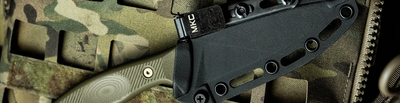
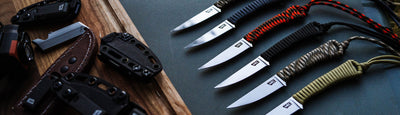
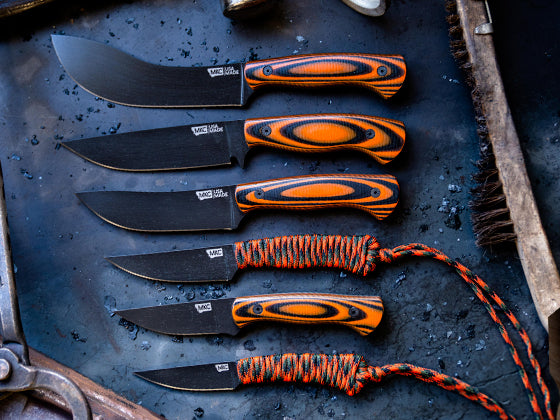
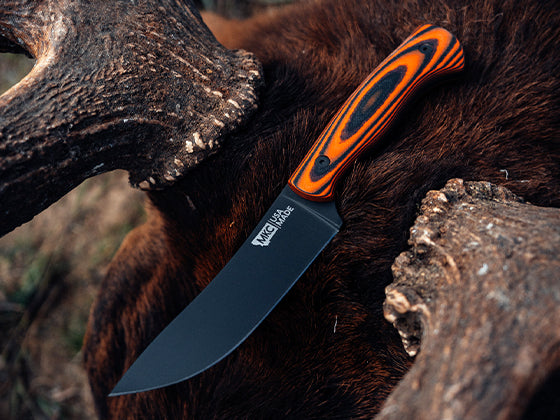
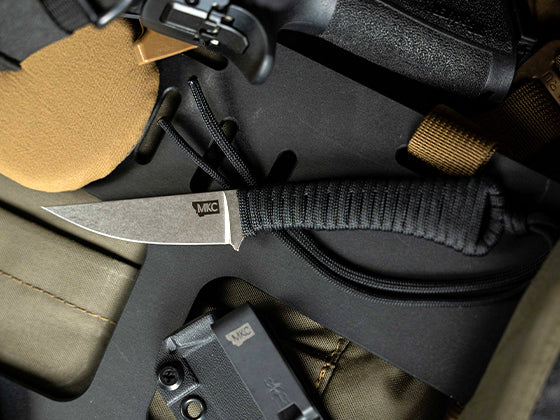
Having the right blade on your hip speeds up the whole process. I worked with Montana Knife Company to build the Triumph Pro for this kind of work. It has a 3 3/4-inch MagnaCut blade with a PVD finish and full tang construction. The textured G10 handle locks into your grip even when your hands are wet with blood or fat.
At 8 1/4 inches overall and just 3.96 ounces, it’s compact enough to carry all day and tough enough to gut, skin, and debone a whitetail without switching blades.
Building Confidence in Your Shot Placement
Study whitetail anatomy until you can picture the vitals from every angle. Know where the heart, lungs, and shoulder bones sit inside that chest.
Practice on 3D targets regularly. Use the tennis ball test to drill shot placement at different angles and distances. Rotate the target, change your elevation, and simulate real hunting scenarios.
Set your maximum ethical range and stick to it. If that trophy buck is “just a little farther,” let him walk. There’s always next season.
Wait for broadside or quartering-away shots. Bring your pin up through that front leg “V” and settle it in the sweet spot.
As I tell my students, “Aim small, miss small.” Focus on that Golden Triangle, burn it into your brain, and make it your bread-and-butter shot. That’s how we become the most effective and ethical hunters in the field.
Frequently Asked Questions About Where to Shoot a Whitetail Deer
Where is the best place to shoot a whitetail deer with a bow?
The best spot is the heart and lung area, sitting in the lower third of the chest just behind the front shoulder. On a broadside deer, aim in line with the front leg, about one-third of the way up from the belly. This gives you the largest vital zone and the best chance at a quick, humane harvest.
Where should you aim on a whitetail deer with a rifle?
Aim for the same heart and lung zone, but rifle hunters can be more aggressive with their aiming point. Place your crosshair directly in line with the front leg at the midpoint between the belly and the back. A rifle bullet carries enough energy to break through the shoulder bone and still reach the vitals, so you don’t need to avoid the shoulder the way bowhunters do.
Should you aim for the heart or lungs on a whitetail deer?
Both are lethal targets, but the lungs are much bigger. A double-lung shot is the most reliable way to take a whitetail down quickly.
If you aim slightly low in the lung zone, you may clip the top of the heart as well. The lungs are more forgiving of slight misses than the heart alone.
How long should you wait before tracking a deer after the shot?
If you’re confident about a heart or lung shot, you can pursue your target after 30 minutes have passed. Dark blood from the liver demands at least a few hours of wait time, while a gut shot requires at least eight hours. Err on the side of caution, as pursuing too quickly can spook your target into running further.
Can you take a frontal shot at a whitetail deer with a bow?
Pass on frontal bow shots. The arrow must travel through heavy muscle and bone before reaching the vitals. The target area is small, and any movement from the deer can turn a marginal shot into a lost animal.
Broadside and quartering-away angles give you better odds.
What is the Golden Triangle for whitetail shot placement?
I teach the Golden Triangle method. Picture a triangle on the deer’s chest using three reference points: the tip of the elbow, the scapula angling forward, and the scapula angling back at the midpoint. Any arrow placed inside that triangle has a high probability of hitting both lungs.
Does shot placement affect how much meat you lose?
Yes. A clean double-lung shot through the ribs costs you almost no usable meat. Shoulder hits with a rifle can shatter bone and destroy front-quarter meat. Gut shots contaminate surrounding tissue with digestive acids and bacteria, which means more trimming and more waste. Precise shot placement through the vitals preserves the most protein from your harvest.
by John Dudley, Decorated Professional Archer and Founder of Nock On Archery