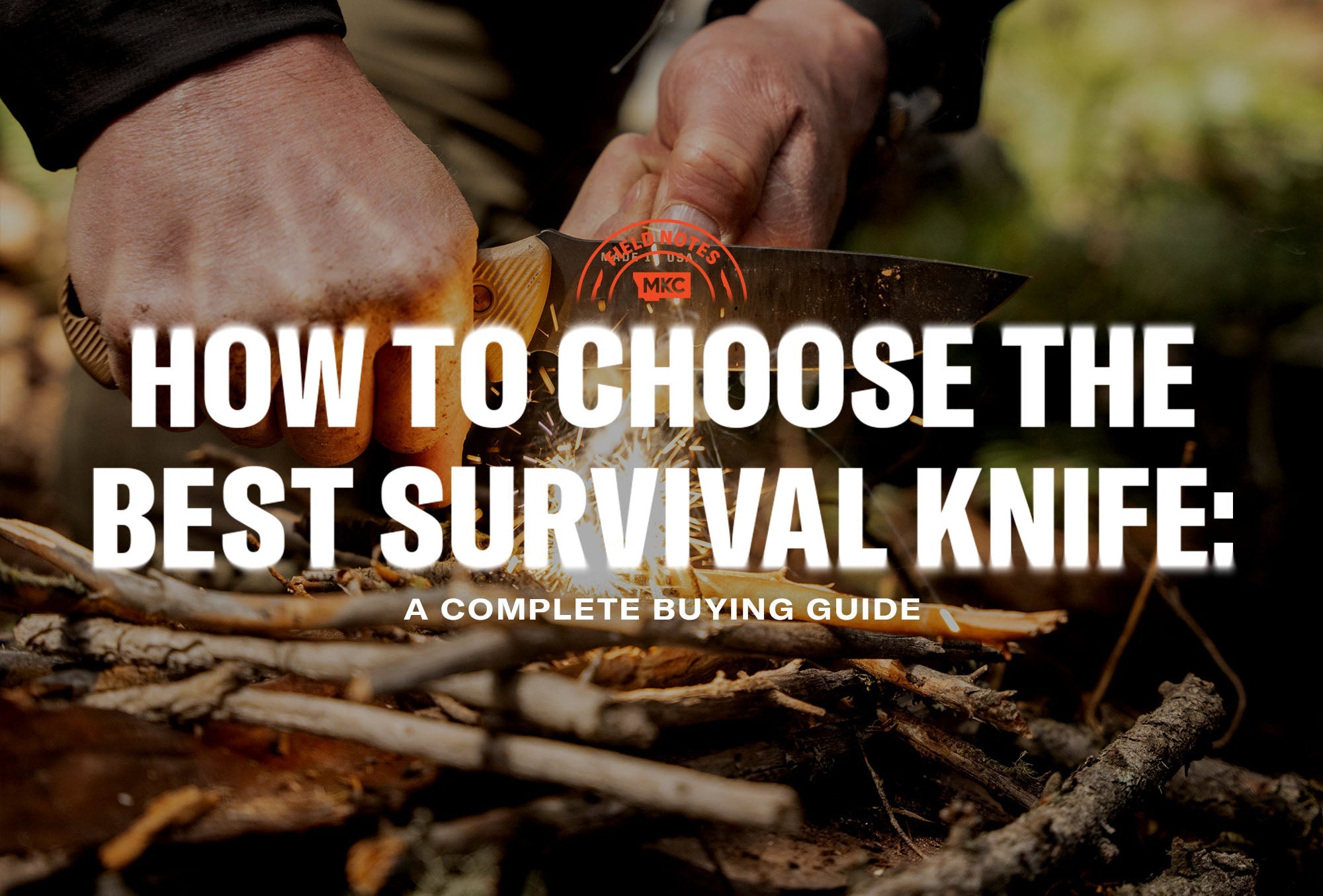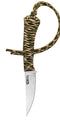
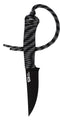
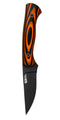
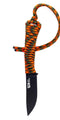
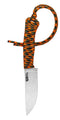
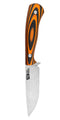
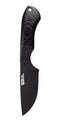
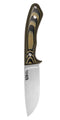
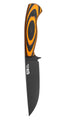
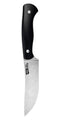
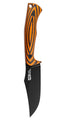
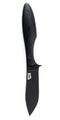
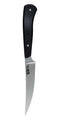
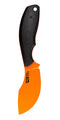
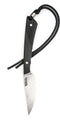

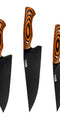
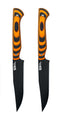
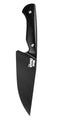
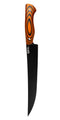
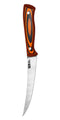
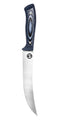
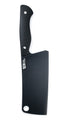
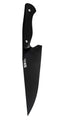
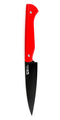
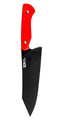
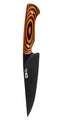
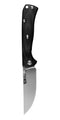
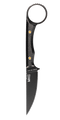
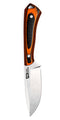
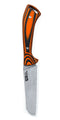
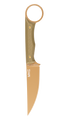

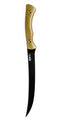
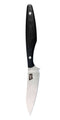



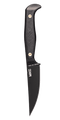
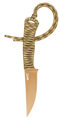




To find the best skinning knife for your needs, match the blade length and shape to your quarry:
- For small game like rabbits and upland birds, a compact blade around 3 inches gives you the control you need.
- Medium game like whitetail and mule deer work best with a 3.5–4-inch blade.
- For elk, moose, and bear, a 4.5–6-inch blade handles thick hides without slowing you down.
Whether you’re after a trophy hide or just want to get meat in the cooler, the best skinning knife makes the job quicker, safer, and cleaner.

What Makes the Best Skinning Knife?
The best skinning knife does one task exceptionally well: it separates hide from meat without damaging either. That sounds simple enough, but the knife’s design has to work with you, not against you.
The best skinning knives share a few traits:
-
They’re thin. A blade under 0.12 inches at the spine slices through membrane and connective tissue with less effort. Thick blades drag and require more force, which leads to fatigue and sloppy cuts.
-
They have belly. The curved section of the blade, from the tip to where the edge straightens out, does most of the work during skinning. A pronounced belly lets you make long, sweeping cuts that peel hide away efficiently. Straight-edged blades force you to work harder for the same result.
-
They have ergonomic handles. Skinning takes time and energy. A handle that fits your hand and stays grippy when wet keeps you comfortable and safe.
We use G10 on most of our skinning knives specifically because it retains its grip when covered in blood. Plus, it’s easy to clean, won’t absorb moisture, and holds up to abuse and temperature fluctuations.
- They’re fixed blades. Folding knives have their uses, but elbow-deep in a hide is the last place you want a blade to snap closed or a hinge to fail. Fixed blades are stronger, safer, and easier to clean.
Best Blade Shapes for Skinning: Drop Point vs. Trailing Point vs. Caping
Your skinning knife’s shape determines what tasks it handles well. Three blade types dominate the skinning knife scene: drop points, trailing points, and caping knives.
Drop Point Blades
Drop point blades feature a spine that curves down toward the tip. This keeps the point lower than the spine, which gives you excellent control when making the initial belly cut without puncturing organs.
Drop points have enough belly for efficient skinning and enough tip control for detail work around joints. They’re the most common choice for hunters who want one blade to do it all, since they can field dress, skin, and process meat.
Trailing Point Blades
Trailing point blades have a spine that curves upward, placing the tip above the centerline. This creates an aggressive belly and a longer cutting edge, which makes them excellent for pure skinning work.
The upswept tip stays out of your way during long sweeping cuts. The trade-off is that the elevated tip is harder to track during field dressing, and its thin point can be fragile.
Trailing points shine when you’re hanging an animal and pulling the hide down, letting gravity help the blade do its job.
Caping Blades
Caping blades are smaller, more precise instruments that handle delicate work around the eyes, nose, ears, and mouth when preserving a trophy mount. They typically feature blades under 3 inches with fine tips and minimal belly.
If you’re a trophy hunter, a dedicated caping knife saves you from accidentally ruining a mount with a blade that’s too big or unwieldy for detail work.
The Best Skinning Knife: Blade Length Recommendations by Game Size
Choosing the best skinning knife means matching your blade to your quarry. Here’s what our hunters report works in the field.
Small Game (Rabbits, Upland Birds, Furbearers)
The smallest animals, like rabbits and birds, often don’t need a true skinning knife.
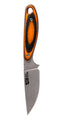
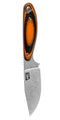
Our Sharptailed blade handles initial cuts in small game and further meat processing with exacting precision. For bigger furbearers like beaver and fox, the Mini Stoned Goat gives you a little more belly for efficient skinning while staying maneuverable.
A roughly 3-inch blade is just the right size for small game.
Medium Game (Whitetail, Mule Deer, Pronghorn)
A 3.5–4-inch blade is the sweet spot between control and efficiency. It gives you enough steel to make progress on the hide without the blade feeling cumbersome.
Our Elk knife sits right in this range with a 3.5-inch blade and 7.5-inch overall length. We created it with backcountry hunters in mind. It’s the best compact skinner that won’t weigh you down.
If you want to go even more compact, our Packout Skinner packs 3.5 inches of cutting edge into a 3-inch half-moon blade that takes deer and elk in stride.
Large Game (Elk, Moose, Bear)
Thick hides and big carcasses call for skinning blades in the 4.5–6-inch range. This extra length lets you make longer cuts and move through more material without constantly repositioning.
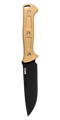
Our Stonewall Skinner, with its 4 5/8-inch blade and 9 1/4-inch overall length, handles elk and moose without bogging down. For professional-grade fleshing on bear and large hides, the Beartooth pushes 5 3/4 inches of blade with the flexibility that fleshing work demands.
Why Blade Thickness and Flexibility Matter When Choosing the Best Skinning Knife
Most hunters fixate on blade length and ignore thickness, but thickness affects the best skinning knife’s performance more than you might expect.
A thinner blade, at around 0.095–0.11 inches, slices through membrane with less resistance. It also bends slightly, which helps you follow natural contours between hide and muscle. Our Stoned Goat 2.0 runs just 0.1 inches thick, making it a slicing machine that peels hide away with minimal effort.
Thicker blades in the 0.12 to 0.14-inch range add durability and strength. That strength comes in handy for working around joints and through connective tissue. The Stonewall Skinner’s 0.14-inch spine gives it the backbone to handle heavy work without flexing when you don’t want it to.
Some skinning tasks actually benefit from flex. We designed the Beartooth with Alaskan mountain hunting guide Cole Kramer specifically for fleshing large hides, where the blade needs to bend as you work the skin clean. Its 0.099-inch thickness lets it flex where you need flexibility.
Skinning Knife vs. Caping Knife vs. General-Purpose Hunting Knife
The best skinning knife is a dedicated tool that does its job better than general-purpose blades, but weight and pack space matter in the backcountry. Here’s how to think about specialization:
|
Knife Type |
Best For |
Blade Length |
Key Feature |
Limitations |
|
Dedicated Skinner |
Hide removal on medium to large game |
4–6 inches |
Pronounced belly, sweeping cuts |
Less precise for detail work |
|
Caping Knife |
Trophy work around face, fine detail |
2.5–3.5 inches |
Fine tip, excellent control |
Too small for big skinning jobs |
|
General-Purpose Hunter |
Field dressing, quartering, camp tasks |
3–4 inches |
Versatile drop point |
Compromises on skinning efficiency |
If you hunt one or two animals a season and process them yourself, a general-purpose hunter like the Blackfoot 2.0 handles the whole process. It guts, skins, capes, and quarters, and does all of it well enough that most hunters never feel limited.
The Speedgoat 2.0 and Whitetail work the same way. They won’t peel hide as efficiently as a dedicated skinner, but for hunters who want one knife to do it all, they get the job done.
If you’re a serious meat hunter processing multiple animals each fall, or you care about preserving hides and capes, dedicated skinning knives pay for themselves in time saved and cleaner results. A purpose-built skinner, like the Stonewall Skinner or the Elk knife, makes the hide practically fall off the carcass.
Field Care: Keeping the Best Skinning Knife Sharp
A dull skinning knife is dangerous and inefficient. It requires more pressure, which leads to slips and fatigue. A sharp blade does the work for you.
In the field: Carry a small ceramic honing rod or portable field sharpener in your pack. A few light passes between animals keep your edge working. You’re not resharpening, just realigning the edge and removing any micro-burrs.
After the hunt: Wash and dry your blade immediately with warm, soapy water. Blood is corrosive, and the longer it sits, the more it attacks the steel, especially on carbon steel blades. Dry completely before storing.
Between seasons: Apply a thin coat of blade wax or oil to prevent moisture from reaching the steel. Store your knife somewhere dry, and consider placing a silica packet in your knife storage area to control humidity.
Carbon vs. stainless care: Carbon steel, like our 52100 ball bearing steel, requires more attention. It develops a patina over time, which protects the blade but can rust if neglected. Stainless options like MagnaCut are more forgiving, but “stainless” doesn’t mean “stainproof.” Even MagnaCut needs proper care.
And if your edge needs more than a touch-up, send it back to us. Our MKC Generations® program includes free resharpening for life. We’ll put a factory edge back on your blade and return it ready for the next season.
Choosing the Best Skinning Knife for You
The best skinning knife is the one that fits your hunting style, your game, and your hands.
For whitetail and mule deer, a 3.5–4-inch blade with good belly covers most needs. Elk and moose hunters benefit from 4.5 inches or more to move through thick hides efficiently. If you’re chasing mountain game and counting pack weight, look for ultralight options under 2 ounces. And if you’re fleshing hides or processing bear, prioritize blade flexibility and length.
by Josh Smith, Master Bladesmith and Founder of Montana Knife Company