













Float trips, pack rafting, duck hunting, and fishing adventures around water create some of the best outdoor memories. They also create some of the most dangerous situations outdoorsmen face.
When it comes to cold water survival, knowing how to swim is just the beginning. You hit the water unexpectedly, your boat drifts away, and hypothermia starts setting in faster than you’d ever imagine. You need to prepare to address every issue.
After over 30 years working in and around water, I’ve learned that even exceptional swimmers shouldn’t leave the house without proper cold water survival preparation.
Cold Water Survival Starts Before You Leave Shore
Your cold water survival strategy must address two immediate threats:
Drowning
Even strong swimmers can drown when conditions turn bad. A knock to the head, sudden immersion shock, or entanglement in gear can all lead to drowning.
This risk exists regardless of your swimming ability.
Hypothermia
Water pulls heat from your body 25 times faster than air at the same temperature. Even on sunny days, water temperatures stay cold enough to trigger hypothermia within minutes.
If your boat takes several minutes to circle back, or if you wash up on a remote shoreline, hypothermia is your primary survival challenge.
How Long Before Hypothermia Sets In: Cold Water Survival Timelines
The timeline for hypothermia depends on water temperature, but it happens faster than most people realize.
In 50-degree water (common during spring and fall hunting seasons), you lose dexterity in your hands within 10 minutes. Within 30 minutes, your core temperature drops enough to affect your decision-making. After an hour, survival becomes questionable without immediate intervention.
Colder water accelerates this timeline. Understanding how long before hypothermia sets in helps you prioritize your cold water survival actions: get out of the water immediately, get insulated, and start rewarming.
Life Vests: Cheap Insurance for Cold Water Survival
A life vest is the most important piece of cold water survival equipment you’ll carry.
I spent decades working with exceptional, extensively trained swimmers. We never went on the water without life vests.
Unexpected incidents happen around water. You can fall out without warning. You can get knocked unconscious. Equipment can fail. The weather can turn. A life vest keeps you afloat even when circumstances work against you.
Life vests keep you from dying from preventable causes. They’re lightweight, inexpensive, and mandatory for serious cold water survival prep.

How to Survive in Cold Water: The Personal Survival Kit
Every person in the boat should carry a cold water survival kit on their body, not stored somewhere in the boat.
When a boat makes a sharp turn and tosses you into two-foot chop that pushes you onto a remote shoreline, you need survival gear attached to you. The boat kit won’t help if you’re separated from the vessel.
I carry a possibles pouch around my waist whenever I’m on the water. This setup lets me work normally in the boat while ensuring I have the survival gear needed if I get separated.
My cold water survival kit includes:
- Signal mirror for daytime rescue signaling
- Signal panel for aerial visibility
- Medical kit for treating injuries
- Fire-making tools, including a ferro rod and waterproof tinder
- Water purification capability
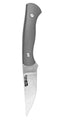
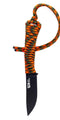
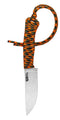
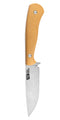
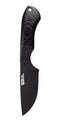
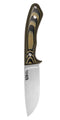
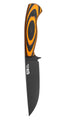
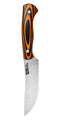
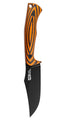
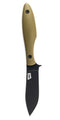
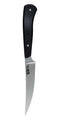
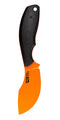
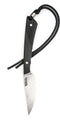
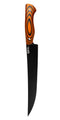
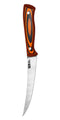
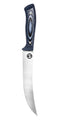
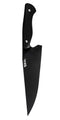
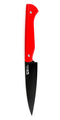
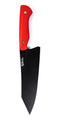
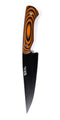
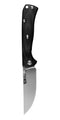
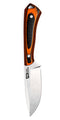
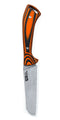
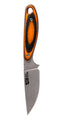
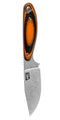
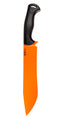
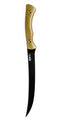
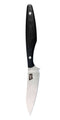
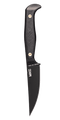
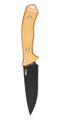
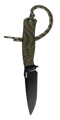
- Fixed-blade knife for shelter construction and general utility
- 550 cord for building a shelter or securing gear
- Space blanket for immediate insulation
- Headlamp with blinking mode for nighttime signaling
Additionally, mount basic survival items on your life vest. Fire-starting materials, a knife, and signaling devices should all be immediately accessible in case you lose your possibles pouch when you fall into the water.
How Long Can You Survive in Cold Water Without Proper Planning?
Your survival timeline in cold water depends on your preparation:
- Without a life vest, survival time in cold water drops to minutes. Even strong swimmers can’t fight cold water forever.
- Without fire-making tools, you can’t get warm after getting out of the water. Wet clothes and wind accelerate heat loss even after leaving the water.
- Without signaling devices, rescue teams may pass within yards of your position without finding you.
Each piece of your cold water survival kit extends your survival window. Together, they turn a potential fatality into a manageable emergency.
The Boat Survival Kit: Supporting Cold Water Survival Recovery
Medium to larger watercraft should carry a comprehensive cold water survival kit separate from individual gear.
This boat kit helps recover someone from the water and rewarm them:
- Insulation Materials. Pack blankets and sleeping bags specifically for cold water survival situations. After pulling someone from the water, strip their wet clothes and get them into a sleeping bag immediately.
- Rewarming Supplies. Include a stove and fuel for making hot drinks. Hot liquids rewarm your core from the inside while replenishing your hydration. Add easily digestible high-calorie foods like candy bars for immediate energy, plus soup or dehydrated meals for sustained calories.
- Water and Purification. Carry drinking water or purification capability. Dehydration compounds hypothermia and slows recovery.
Think through your recovery process before you need it. How will you pull a hunter into the boat? Where will you strip their wet clothes? How will you shelter them from the wind while rewarming them?
I’ve done a ton of hunting out of small boats in Alaska. My hunting partners and I always planned for cold water survival scenarios because they happen regularly.
For instance, during one trip, we lost motor power and got pushed back to shore. We spent the night there before a fishing vessel could reach us.
Without our cold water survival kits, that situation would have been life-threatening.
Real Cold Water Survival Scenarios Outdoorsmen Face
Cold water survival situations don’t always involve deep water or long immersions.
Master bladesmith Josh Smith, founder and CEO of Montana Knife Company, once told me about a British Columbia moose hunt in which his son nearly lost his balance while crossing a beaver dam. If his son had fallen in, they would’ve faced a cold water survival situation miles from help.
Duck hunting on the Chesapeake presents similar challenges. Fall into big water during a hunt, and your boat might not locate you quickly. You could wash up on a remote strip of land and need to wait hours for recovery.
Without proper cold water survival prep, those hours could prove fatal. Your cold water survival gear needs to handle unexpected immersion, separation from your group, and extended exposure to the elements before rescue.
Practice Your Cold Water Survival Skills Before You Need Them
Carrying cold water survival gear means nothing if you haven’t practiced using it.
Can you start a fire with wet hands and limited dexterity? Can you build an emergency shelter in 20 minutes? Can you signal effectively with the tools in your kit?
Practice fire-making, shelter-building, and signaling techniques in controlled environments before heading out on the water. Test your fire-making tools when your hands are cold. Try building a shelter with just the gear in your possibles pouch. Practice signaling techniques during different times of day.
None of your cold water survival equipment works unless you’ve developed competence through training.

Cold Water Survival: Your Life Depends on Preparation
Water is uncompromising. It doesn’t care about your experience level, fitness, or intentions.
Float trips, pack rafting, duck hunting, and fishing are incredible adventures when you prepare properly. Take cold water survival seriously, carry the right gear, and practice your skills before you need them.
The water will always be there. Make sure you’re always prepared for it.
by John Barklow, a Special Operations Survival Instructor and consultant who has spent decades teaching military personnel and civilians survival techniques in extreme environments.